Introduction: My Topic and Its Connection to Computer Science
As a Computer Science major, I have become interested in the rapid growth of Generative Artificial Intelligence (GenAI) and how it is changing the field of computer science. My blog will focus on the opportunities, challenges, and ethical concerns surrounding the use of generative AI in programming, education, and future technology careers. Tools such as ChatGPT, GitHub Copilot, and other AI-powered systems can now generate code, explain programming concepts, identify errors, and help people complete technical tasks. Because these technologies are becoming increasingly common, I believe it is important to understand both their benefits and their limitations.
This topic connects directly to my major because computer science is one of the fields most affected by artificial intelligence. As a student, I spend a significant amount of time learning programming, problem-solving, algorithms, and other technical concepts. Generative AI is beginning to change how students learn these skills and how professional software developers work. After graduation, I hope to work in the technology field, so understanding AI will likely be important regardless of the specific career path I choose.
What Information Already Exists About Generative AI?
There is already a large amount of research and public discussion about generative AI. The topic appears across many different genres, including academic research papers, technology news articles, company websites, blogs, videos, podcasts, and social media discussions. Organizations such as OpenAI publish information about the development and use of artificial intelligence. GitHub Copilot provides information about how AI can assist developers with writing and understanding code. Technology publications such as MIT Technology Review regularly discuss new developments and concerns surrounding artificial intelligence.
Academic and educational organizations are also researching how AI affects learning. The Association for Computing Machinery publishes research and discussions related to computing, artificial intelligence, ethics, and technology. The Stanford AI Index also provides research and data about the development and impact of artificial intelligence.
These different genres approach the topic in different ways. Academic research may focus on data, experiments, and long-term consequences, while technology news articles often explain recent developments to a broader audience. Company websites may focus more on the benefits and capabilities of their AI products. Meanwhile, blogs, videos, and social media discussions often include personal experiences from students, programmers, and other users. Looking across these different sources can help readers understand that generative AI is a complicated topic with many perspectives.
How My Blog Will Engage a Public Audience
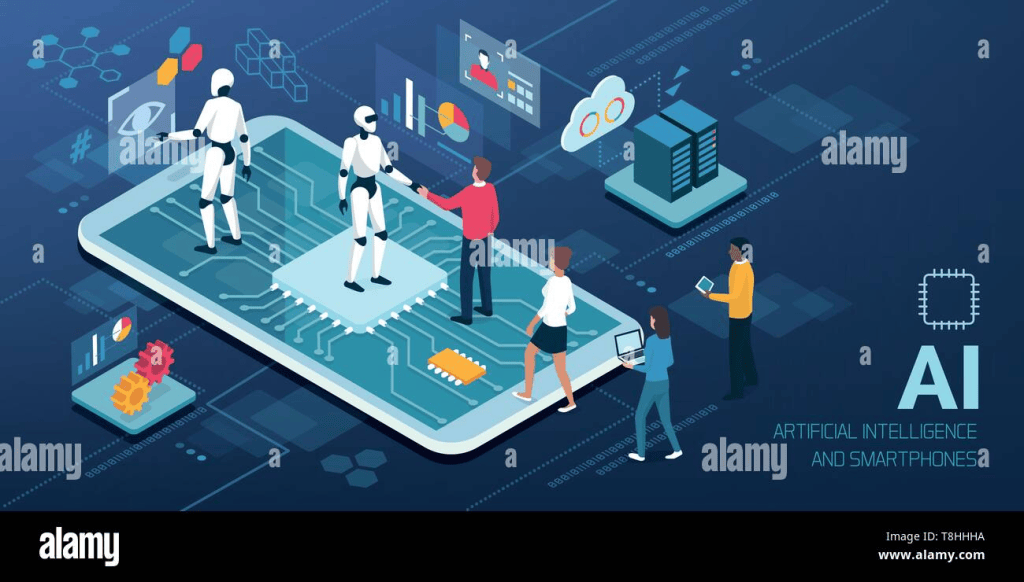
My blog will be written for people both inside and outside the computer science field. Someone should not need to understand programming languages or complicated technical concepts to follow the discussion. I want to explain generative AI in a clear and accessible way while using real-life examples that readers may already recognize.
People outside computer science should understand that generative AI does not only affect programmers. AI is increasingly being used in education, healthcare, business, communication, entertainment, and many other industries. Even someone who never writes a line of code may interact with an AI-powered system.
One important goal of my blog will be to encourage readers to become more informed and responsible users of AI. People should understand that AI-generated information can sometimes be incorrect, biased, or misleading. Users should verify important information rather than automatically assuming that an AI system is always correct. In programming, for example, AI can generate code that appears correct but may contain bugs or security problems. Therefore, students and professionals still need to develop their own knowledge and critical-thinking skills.
Rather than viewing AI as something that will simply replace human abilities, my blog will explore how people can use it as a tool while still thinking independently. Readers should leave the blog with a better understanding of how AI works, where it is being used, and why responsible use matters.
My Personal Connection to the Topic
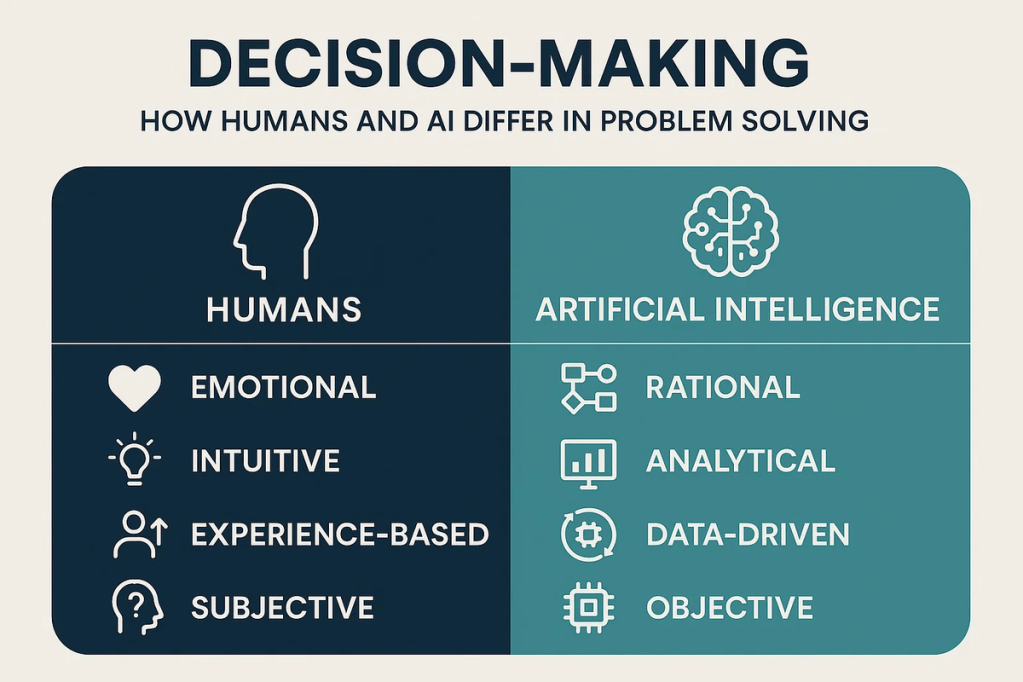
I am personally connected to this topic because I am currently studying Computer Science. Programming can be challenging, especially when dealing with errors, unfamiliar concepts, or complicated assignments. AI tools can help explain programming concepts and provide guidance when someone is stuck. At the same time, relying too heavily on these tools can prevent students from fully developing their own problem-solving skills.
This creates an important question for me as a student: How can computer science students use generative AI as a learning tool without becoming dependent on it?
This question is especially relevant because the skills I am developing now will affect my future career. If AI can generate code quickly, future programmers may need to do more than simply know how to write code. They may also need to understand how to evaluate AI-generated code, identify errors, protect data, consider cybersecurity risks, and make ethical decisions about technology.
My personal experience as a computer science student gives me a perspective that can connect with other students who are trying to understand where AI fits into their education and future careers.
Is Generative AI a Global or Local Issue?
Generative AI is both a global and local issue. Globally, AI technologies are being developed and used by companies, governments, schools, and individuals around the world. Decisions about artificial intelligence can affect employment, education, privacy, cybersecurity, and access to information.
However, the effects of AI can also be seen locally. Colleges and universities are deciding how students should be allowed to use generative AI. Professors are reconsidering assignments and academic integrity policies. Students are deciding whether AI should be used for brainstorming, tutoring, coding assistance, or writing support. Employers are also beginning to expect workers to understand how to use AI tools effectively.
The people impacted by this issue include students, teachers, software developers, businesses, artists, writers, and many others. There are also concerns about whether everyone will have equal access to advanced AI technology. If some communities have greater access to technology, education, and AI tools than others, existing inequalities could become even greater.

Conclusion: Learning to Work With AI Responsibly
Generative AI is likely to continue changing computer science and many other fields. For me, this topic is important because it connects my current experience as a Computer Science student with questions about my future career. AI may change how programmers write code, how students learn, and what skills employers expect from future technology professionals.
My blog, “Code, Creativity, and AI,” will explore these changes in a way that is understandable to a public audience. I want readers to recognize both the possibilities and the risks of generative AI. The most important message is that people should not use AI without questioning its output. We should learn how these tools work, verify the information they provide, consider their ethical consequences, and continue developing our own knowledge and critical-thinking abilities.
Artificial intelligence is not only a topic for computer scientists. It is becoming part of everyday life, which means everyone has a reason to understand it. By discussing these issues publicly, my blog can help readers become more informed about the technology that is already shaping our present and will continue to influence our future.
 sadam3994-frnkc
Leave a comment