Artificial intelligence has quickly become one of the most influential technologies in the world. Just a few years ago, AI-powered tools were considered experimental, but today they are used by millions of people to write emails, generate code, create images, summarize research, and answer questions. As a Computer Science major, I have become increasingly interested in how generative AI is changing not only the technology industry but also the way students learn and professionals work. While many people debate whether AI is helping or hurting society, I believe the more important question is how we can use AI responsibly while continuing to develop our own skills.
How Did We Get Here?
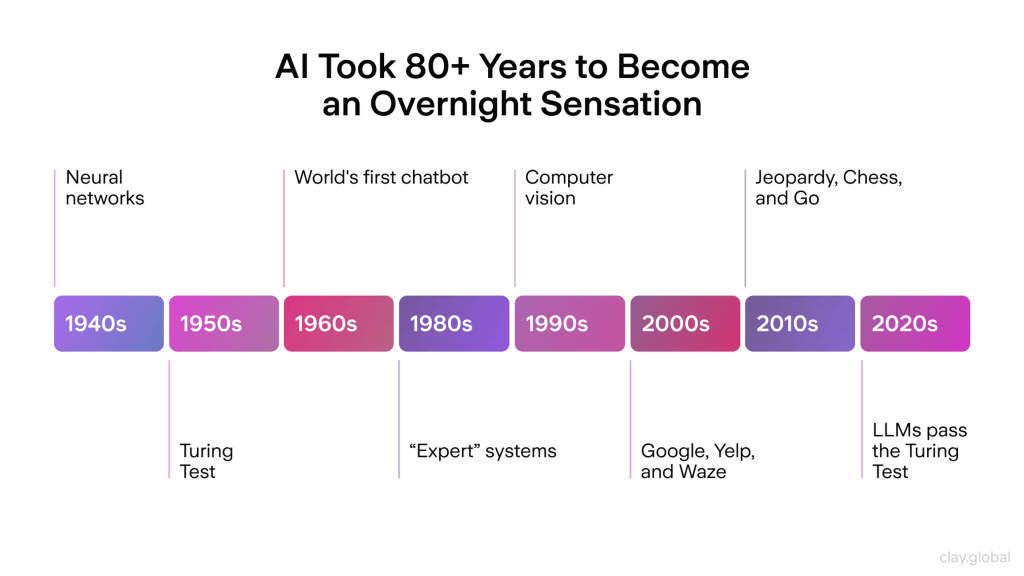
Artificial intelligence has existed as a research field since the 1950s, but generative AI became widely accessible after the release of large language models like ChatGPT in 2022. These systems can understand natural language and generate human-like responses, making them useful for programming, writing, research, and problem-solving.
Today, companies such as Google, Microsoft, OpenAI, and GitHub have integrated AI into products that millions of developers use every day. Coding assistants can recommend code, explain programming concepts, and even identify bugs before software is released.
Why Does This Matter for Computer Science?
Many people assume AI will replace programmers, but the reality is much more complex. AI can automate repetitive tasks such as generating boilerplate code or writing documentation, but it cannot fully replace human reasoning, creativity, or collaboration.
Software engineers still need to:
- Understand algorithms and data structures.
- Design secure and efficient systems.
- Communicate ideas with teammates.
- Review and test AI-generated code.
- Solve problems that require critical thinking.
Employers increasingly expect graduates to know how to work with AI, not simply rely on it. Developers who understand both programming fundamentals and AI tools are likely to have an advantage in the future workforce.
The Issues of Using AI
Although generative AI offers many benefits, it also raises important concerns.
One challenge is accuracy. AI systems sometimes generate incorrect information or code that appears correct but contains hidden errors. This means developers must verify everything AI produces instead of accepting it automatically.
Another concern is education. Many students now use AI to complete assignments, but if they rely on it too heavily, they may miss opportunities to build problem-solving skills. In Computer Science, understanding why code works is just as important as producing working code.
Privacy and security are also major issues. Some AI tools collect user data or may expose sensitive information if used carelessly. As AI becomes more common, ethical guidelines and responsible development will become increasingly important.
What Is Being Done?
Universities and technology companies are beginning to teach responsible AI use instead of banning it altogether. Many Computer Science programs now encourage students to use AI for brainstorming, debugging, and learning while still requiring them to understand the underlying concepts.
Technology companies have also published ethical AI principles that emphasize fairness, transparency, accountability, and human oversight. These guidelines recognize that AI should assist people—not replace human judgment.
My View
Before learning more about generative AI, I mostly thought of it as a tool that answered questions. After researching the topic, I now see that AI is becoming part of nearly every aspect of software development. As someone preparing for a career in Computer Science, I know I will likely work alongside AI systems throughout my career.
However, I also believe that technical knowledge, communication skills, and critical thinking will always be valuable. AI can generate solutions, but people still need to evaluate those solutions, understand their consequences, and make informed decisions.
I think the future belongs to people who know how to combine their own creativity with AI rather than depending on AI to do all the work.
Looking Foward
Generative AI will continue evolving over the next decade, and its impact on Computer Science will only grow. It will likely automate more routine programming tasks while creating new careers focused on AI development, ethics, cybersecurity, and human-computer interaction.
Instead of asking whether AI will replace programmers, I think we should ask how programmers can use AI responsibly to build better technology. Learning to collaborate with AI while maintaining strong technical and writing skills will help students like me succeed in the future.
 sadam3994-frnkc
Leave a comment